
The war in Iran is over.
Our great military destroyed their navy.
We decimated their economy.
We obliterated their ballistic missiles.
And yet, we lost.

This is painful to admit, especially on the eve of our 250th birthday.
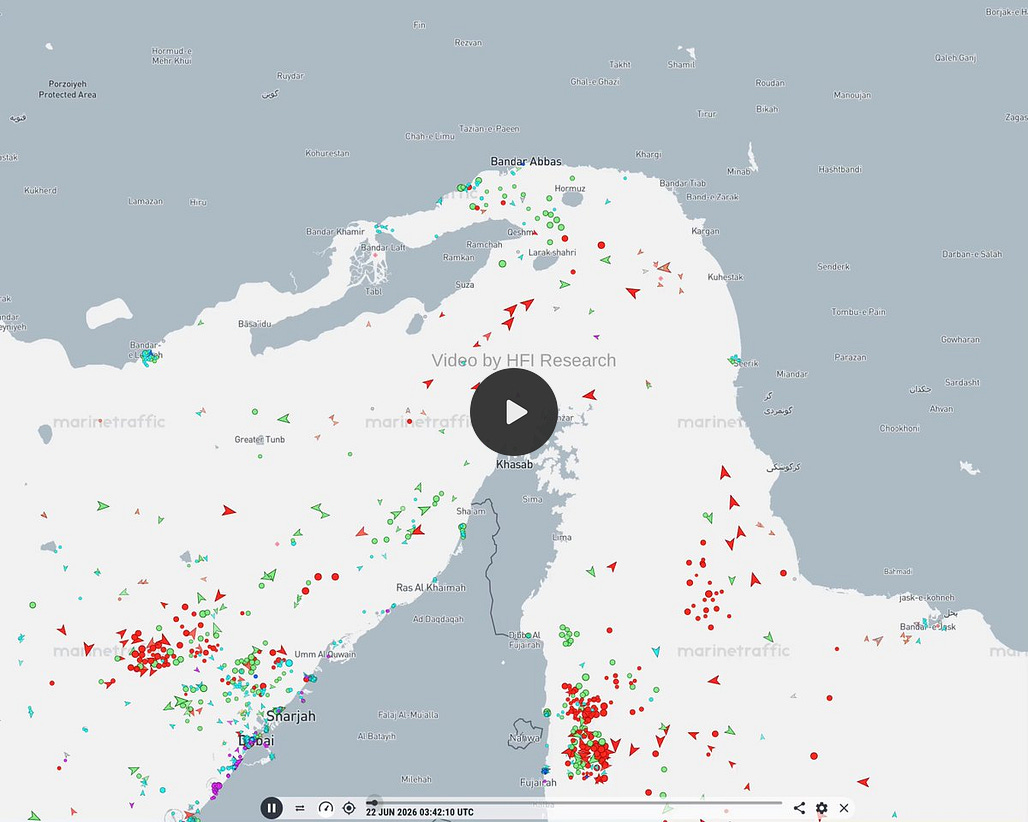
Yet what Iran got out of this conflict was beyond their wildest dreams—because Iran now knows no one will stop them from controlling the Strait of Hormuz.
No one can.
Which means Iran will start charging tolls in just 58 days.
It gives me no pleasure to say this.
I supported this war.
I believed the Trump administration when it said Iran could be defeated without boots on the ground, which I—like most Americans—don’t support.
I believed the Secretary of Treasury when he said over and over again that Iran was on its last legs, that its oil storage facilities were filling up and that they were weeks away from financial ruin.
I believed them when they said they had prepared for the Strait of Hormuz to be closed.
Now that doesn’t seem to have been true, and we’re beating a hasty retreat from a war that we won militarily.
And that’s the truth that’s so difficult to stomach: No matter how much of their military infrastructure President Trump wiped out, Iran —and the rest of our adversaries—now knows they can foil the mighty United States of America with a few mines.
That’s what horrifies me about the new status quo ushered in by the President's MOU: Iran has moved the theater of war from where it's weaker than us—traditional warfare—to the economic front, to the Strait of Hormuz, where it's stronger because of its intransigence to economic pain.
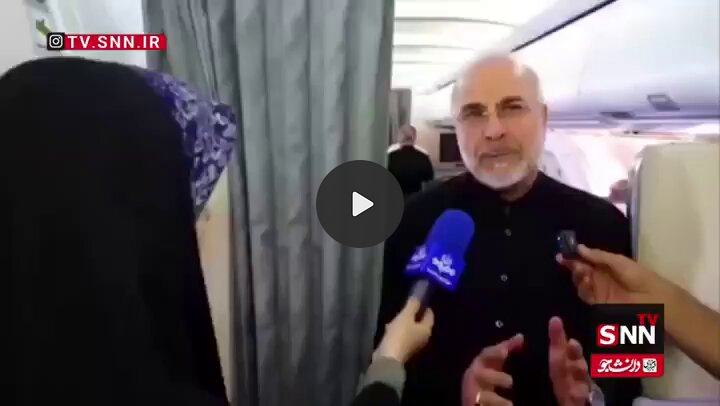
As Iranian Parliament Speaker Ghalibaf put it, “Everyone should know that management of the Strait of Hormuz will never return to the way it was before the war.”
As horrifying as it is to admit this, that’s what winning this war looks like.

The administration and their allies don't like when you say this. There is a big campaign out there to bully people who point it out.
But as a journalist, it's my job to tell you what I think is true.
And as an American, it is my God-given right.
So where do we go from here?
Well, we will need to prepare for another closing of the Strait of Hormuz. It’s unlikely this MOU will hold.
Iran has moved the theater of war from where it’s weaker than us—traditional warfare—to the economic front, to the Strait of Hormuz, where it’s stronger because of its intransigence to economic pain.
The Vice President seems to think it’s a huge coup to have gotten the same empty promises out of the Iranians that Obama did.
It’s not.
But the real message to me about the Iran War—and my own soul searching in its wake—is that nothing can be achieved with this level of divisiveness.
The administration’s—and my—biggest mistake was underestimating the importance of the will of the American people. There was no real effort to convince the public that this war was worth it—which is why the President ultimately had to cave and sign the MOU. I, like the administration, felt that no matter what happens, half the country won’t support the President, even when he’s doing obviously positive things like trying to keep Iran from achieving a nuclear deal, so it’s useless to try to get that support.
That is the real unforgivable error: giving up on my fellow Americans. Giving in to despair.
You are underestimating the follow on effects. Other oil producers will invest and take over the sales Iran is currently making. Ghana for example. “Control” means avoiding the straight. The world economy will not invest in a path that is constantly unreliable.
After decades of quiet enabled by the Greatest Generation, today’s Americans seem to have forgotten that freedom is never free. The message broadcast to the world with this strategic surrender: When the going gets tough the Americans get lost. Putin heard it loud and clear after the humiliating withdrawal from Afghanistan. And now the CCP is taking detailed notes as it eyes the tasty morsel just across its border. The US obsession with 5$ gas while totally oblivious to the disastrous consequences of a post-Taiwan world is truly remarkable.